October 28, 2026
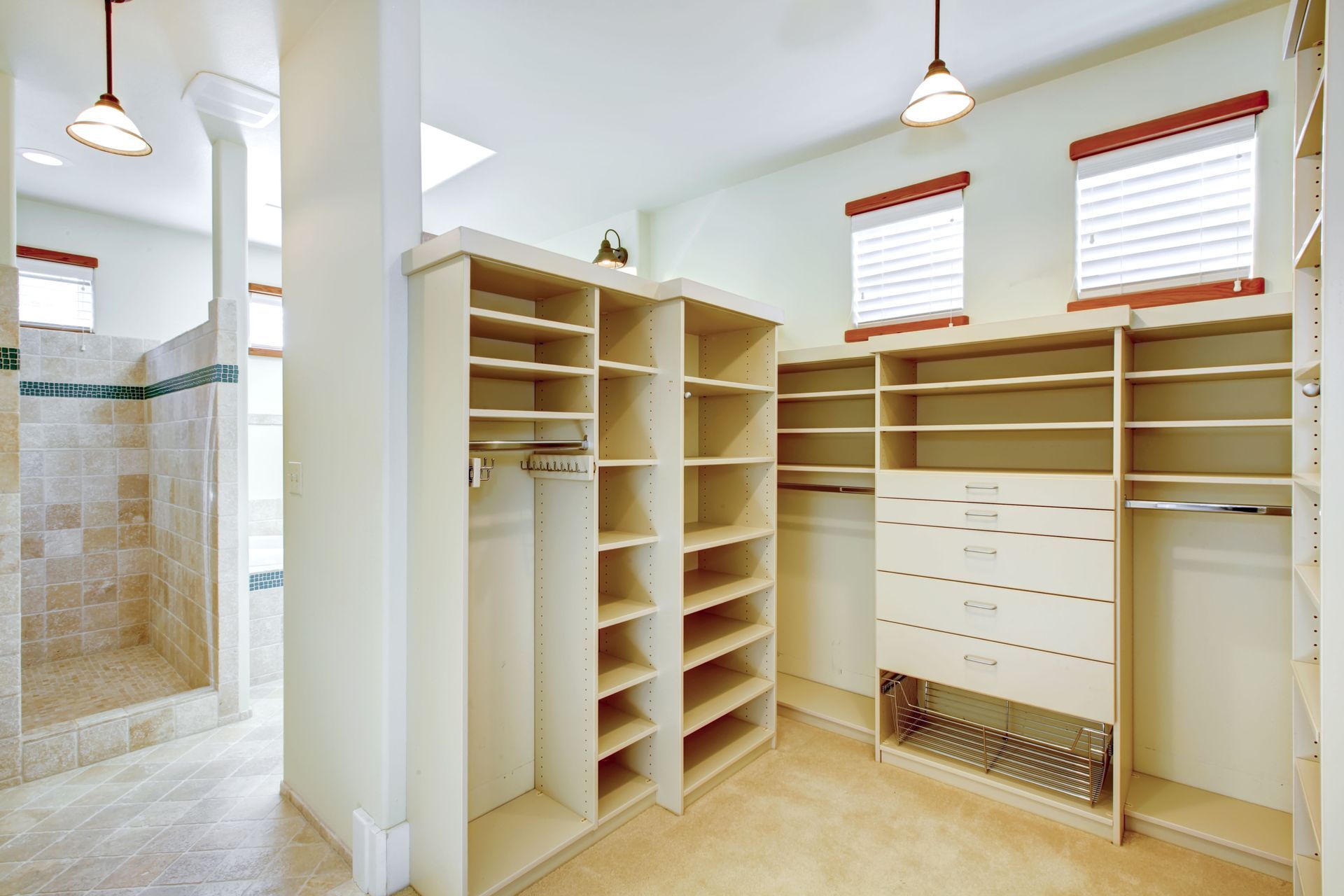
A well-designed reach-in closet can make everyday routines easier while maximizing storage space. Although these closets are smaller than walk-in closets, their functionality depends on thoughtful planning, appropriate dimensions, and customized storage features. With the right design, even a compact closet can accommodate clothing, shoes, accessories, and seasonal belongings without feeling overcrowded.
At Behind Clothes Door, we understand that every homeowner has unique storage requirements. As you compare closet design companies, consider how professional planning can transform an ordinary closet into an organized, attractive space. Understanding standard dimensions and customization options is an excellent starting point.
Understanding Your Storage Requirements
Evaluating Your Clothing and Accessories
Before selecting a closet layout, it's important to understand what needs to be stored. The ideal arrangement depends on the types and quantities of clothing you own.
Someone with an extensive professional wardrobe may require more hanging space for suits, dresses, and dress shirts. Another homeowner might benefit from additional shelves for sweaters, jeans, and casual clothing.
At Behind Clothes Door, we consider these preferences when developing personalized storage solutions that accommodate belongings while keeping frequently used items accessible.
Planning for Seasonal Storage
Seasonal clothing can occupy valuable closet space, particularly when bulky coats and sweaters aren't needed throughout the year.
A thoughtfully designed closet can include elevated shelving or compartments for items used less frequently. This preserves convenient storage areas for everyday essentials.
Professional closet design companies can recommend configurations that accommodate seasonal changes without sacrificing accessibility. Flexible storage features also help homeowners maintain organization as their wardrobes evolve.
Accommodating Different Clothing Types
Not every garment requires the same amount of space. Long dresses and coats need sufficient vertical clearance, while shirts and folded clothing fit within more compact sections.
Shoes, handbags, belts, and accessories also require designated storage areas to prevent clutter.
Our approach balances hanging space, shelving, and specialized compartments according to each homeowner's wardrobe, making the available space more efficient.
Understanding Standard Reach-In Closet Dimensions
Determining the Appropriate Closet Width
Closet width influences storage capacity and accessibility. A wider opening provides more flexibility for organizing hanging garments, shelving, and drawers.
According to This Old House, an ideal reach-in closet is usually 6 to 8 feet wide and 24 to 30 inches deep.
These dimensions provide a useful reference for homeowners considering a new closet system. However, smaller or unusually shaped spaces can still benefit from professionally designed storage solutions.
At Behind Clothes Door, we recognize that standard measurements don't always reflect individual homes. Our customized approach considers existing dimensions to develop practical arrangements.
Determining the Appropriate Closet Depth
Depth affects how comfortably clothing fits inside the closet.
A depth of approximately 24 to 30 inches generally provides adequate room for standard hanging garments. Insufficient depth can cause clothing to press against doors, creating wrinkles and crowding.
The appropriate arrangement also depends on door types, shelving dimensions, and hanging rod placement.
Experienced closet design companies evaluate these factors when recommending storage systems. Proper planning ensures the finished closet remains functional without unnecessarily reducing bedroom space.
Determining the Appropriate Closet Height
Vertical space provides opportunities to increase storage capacity without expanding the closet's footprint.
Depending on ceiling height, a reach-in closet may accommodate multiple shelving levels, stacked hanging sections, or elevated compartments.
Accessibility should remain a priority. Frequently worn clothing belongs in convenient locations, while higher sections can accommodate occasional-use items.
Our team considers storage capacity and everyday convenience when developing closet layouts.
Maximizing Storage Through Custom Features
Incorporating Vertical Storage
Vertical organization is an effective way to increase the usefulness of a reach-in closet.
Rather than relying on a single hanging rod, customized configurations can incorporate multiple storage levels. Double-hanging sections are particularly useful for shorter garments such as shirts, jackets, and trousers.
Longer clothing can occupy dedicated full-height sections, preventing crowding.
At Behind Clothes Door, we focus on arrangements that maximize available space without compromising accessibility. Purposeful storage sections help homeowners maintain organized wardrobes.
Incorporating Adjustable Shelving
Adjustable shelves provide flexibility for households whose storage requirements change over time.
These systems accommodate folded clothing, handbags, shoes, and storage containers. Shelf positions can also be adapted to different item sizes.
When comparing closet design companies, homeowners should consider whether proposed storage systems provide sufficient flexibility for future needs.
Our customized solutions emphasize long-term practicality, helping homeowners create storage spaces that remain functional.
Incorporating Specialized Hanging Sections
Hanging space should reflect the clothing being stored rather than follow a uniform arrangement.
Shorter garments benefit from double-hanging configurations, while dresses and coats require uninterrupted vertical clearance.
Strategically positioned hanging rods improve visibility, making it easier to locate clothing without disturbing neighboring items.
We consider these details when developing personalized closet systems that support daily routines.
Balancing Appearance and Functionality
Selecting Complementary Materials
Closet materials influence appearance, durability, and functionality.
Wood finishes, laminates, and metal hardware offer different visual characteristics and maintenance considerations. Appropriate materials create a cohesive appearance while supporting everyday use.
Quality construction is especially important for shelving and hanging components supporting substantial weight.
At Behind Clothes Door, we believe an attractive closet should also provide dependable performance. Our approach considers material choices alongside storage requirements.
Selecting Complementary Colors
Color selection influences how spacious and inviting a reach-in closet feels.
Lighter finishes create an open appearance, particularly in compact spaces. Darker finishes introduce contrast and sophistication when paired with suitable lighting.
Neutral tones complement a wide range of bedroom styles.
Professional closet design companies can help homeowners select finishes that coordinate with their interiors while supporting organizational goals.
A consistent color palette creates visual harmony, making a smaller closet feel refined.
Selecting Complementary Accessories
Accessories enhance the convenience and appearance of a customized closet.
Depending on available space, useful features include jewelry compartments, shoe organizers, pull-out storage, and designated areas for belts or handbags.
These additions keep smaller belongings organized instead of scattered across shelves.
We believe successful closet design considers details that make everyday storage convenient. Thoughtfully selected accessories improve how homeowners use their closets.
Choosing Professional Closet Design Solutions
Comparing Custom and Standard Systems
Standard closet systems provide basic storage, but fixed dimensions may limit how efficiently they fit a particular space.
Custom systems offer flexibility by accounting for existing measurements, wardrobe requirements, and personal preferences.
Although customized solutions may involve a larger investment, they can provide better space utilization and a cohesive appearance.
When evaluating closet design companies, consider the level of personalization available and whether the proposed system addresses your organizational challenges.
At Behind Clothes Door, we emphasize tailored solutions combining functionality with attractive design.
Evaluating Long-Term Storage Needs
A closet should accommodate more than immediate requirements.
Wardrobes change, households evolve, and storage priorities shift. Adjustable shelving and flexible compartments help closets remain useful through these transitions.
Professional planning also considers accessibility, material durability, and practical organization.
Focusing on long-term functionality helps homeowners invest in storage solutions that continue delivering value.
Working With Experienced Professionals
Professional closet planning involves more than selecting attractive shelves and hanging rods. Accurate measurements, appropriate component placement, and thoughtful configurations contribute to successful results.
Working with experienced closet design companies helps homeowners avoid layouts that waste space or restrict access to belongings.
At Behind Clothes Door, we combine personalized design with practical organization. Our focus is helping homeowners achieve closet systems that complement their homes and simplify daily routines.
Transform Your Reach-In Closet With Behind Clothes Door
An effective reach-in closet doesn't require an expansive footprint. Appropriate dimensions, customized storage features, and thoughtful organization make a substantial difference in how efficiently the space functions.
From hanging arrangements and adjustable shelving to coordinated finishes and specialized accessories, every design decision contributes to the overall experience.
At Behind Clothes Door, we're committed to helping homeowners create attractive, functional storage spaces tailored to their needs. If you're exploring closet design companies for your next project, contact us to discuss how a professionally designed reach-in closet can improve organization, accessibility, and everyday convenience.