November 11, 2026
Creating a functional home environment starts with organization and smart design. When your daily routine begins in a cluttered space, it sets a frustrating tone. Many homeowners struggle with generic wire racks that don't accommodate their specific wardrobe. Upgrading your storage configuration transforms how you interact with your belongings. The goal is to build a system that works alongside your habits rather than against them.
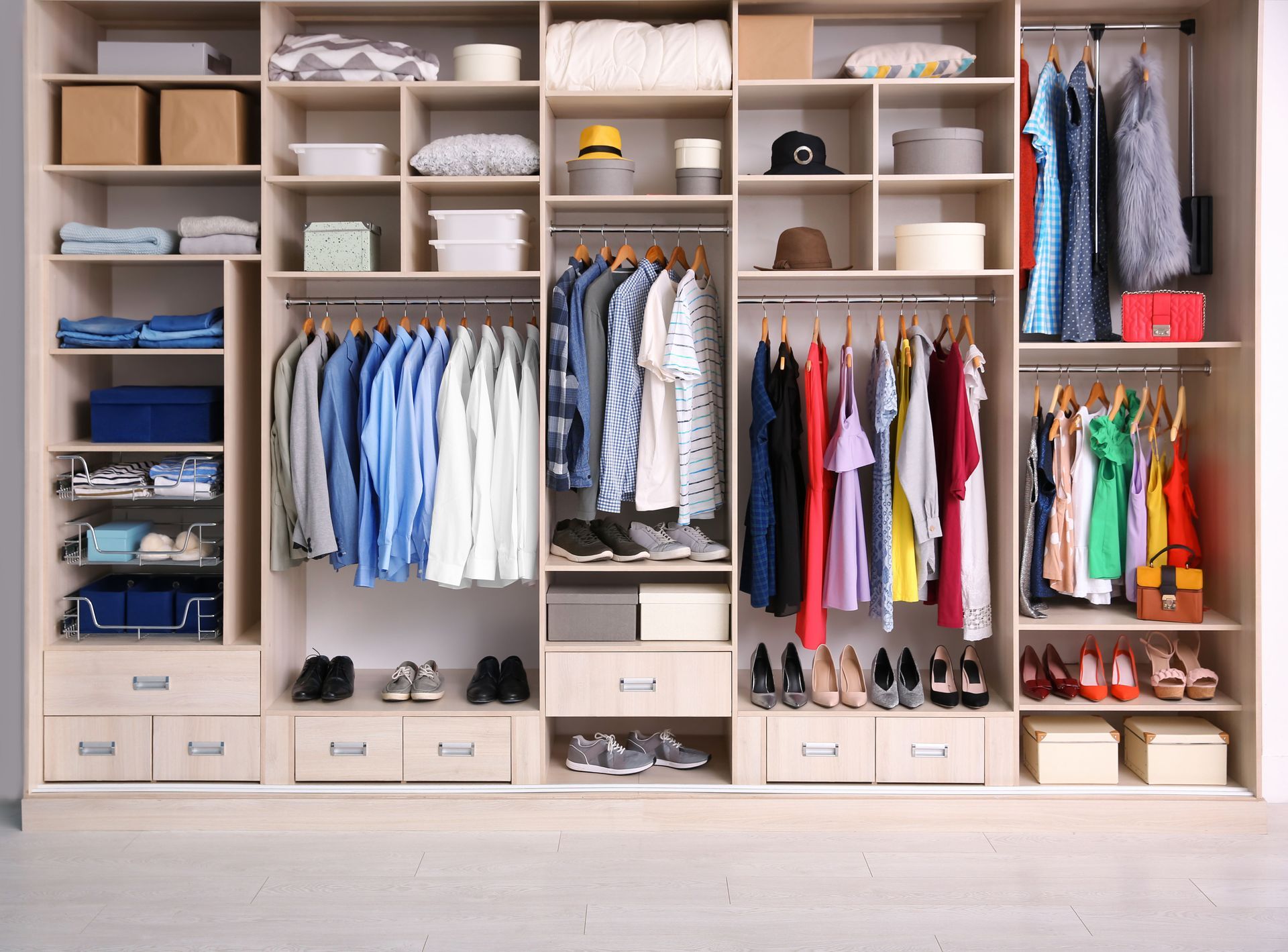
Designing custom closets requires a strategic approach to functionality, aesthetics, and spatial planning. It involves looking beyond basic shelving and considering how different components serve your daily needs. By tailoring your storage to your lifestyle, you streamline your mornings and protect clothing investments.
Assessing Your Daily Wardrobe Requirements
The foundation of an effective storage solution lies in a thorough inventory of your current belongings. Before finalizing blueprints, you'll need to categorize your clothing, shoes, and accessories. Count long-hanging items like dresses or winter coats, as these require specific vertical clearance. Separate short-hanging items such as shirts and folded trousers. Understanding the ratio of your hanging garments to folded apparel dictates the primary layout of your new space. If you prefer folding, your design leans toward open shelving.
Shoe collections often present a unique challenge. Storing footwear efficiently means accounting for different heights and widths, from tall winter boots to flat sandals. Adjustable shelving provides the flexibility needed to accommodate changing seasonal collections without wasting vertical space. Consider how you want to display your shoes. Angled shelves offer high visibility for quick selection, while flat pull-out trays maximize depth. Counting your pairs ensures you allocate adequate square footage for footwear before moving on to accessories.
Accessories and seasonal storage demand just as much attention as your primary wardrobe. Belts, ties, scarves, and jewelry require specialized hardware to prevent tangling. Incorporating dedicated drawer dividers or velvet-lined trays keeps small items secure. You must plan for out-of-season garments that don't require daily access. High top shelves are ideal for placing heavy winter sweaters inside decorative bins. By evaluating every category of your wardrobe, custom closets become efficient systems that cater to your storage habits.
Maximizing Your Available Square Footage
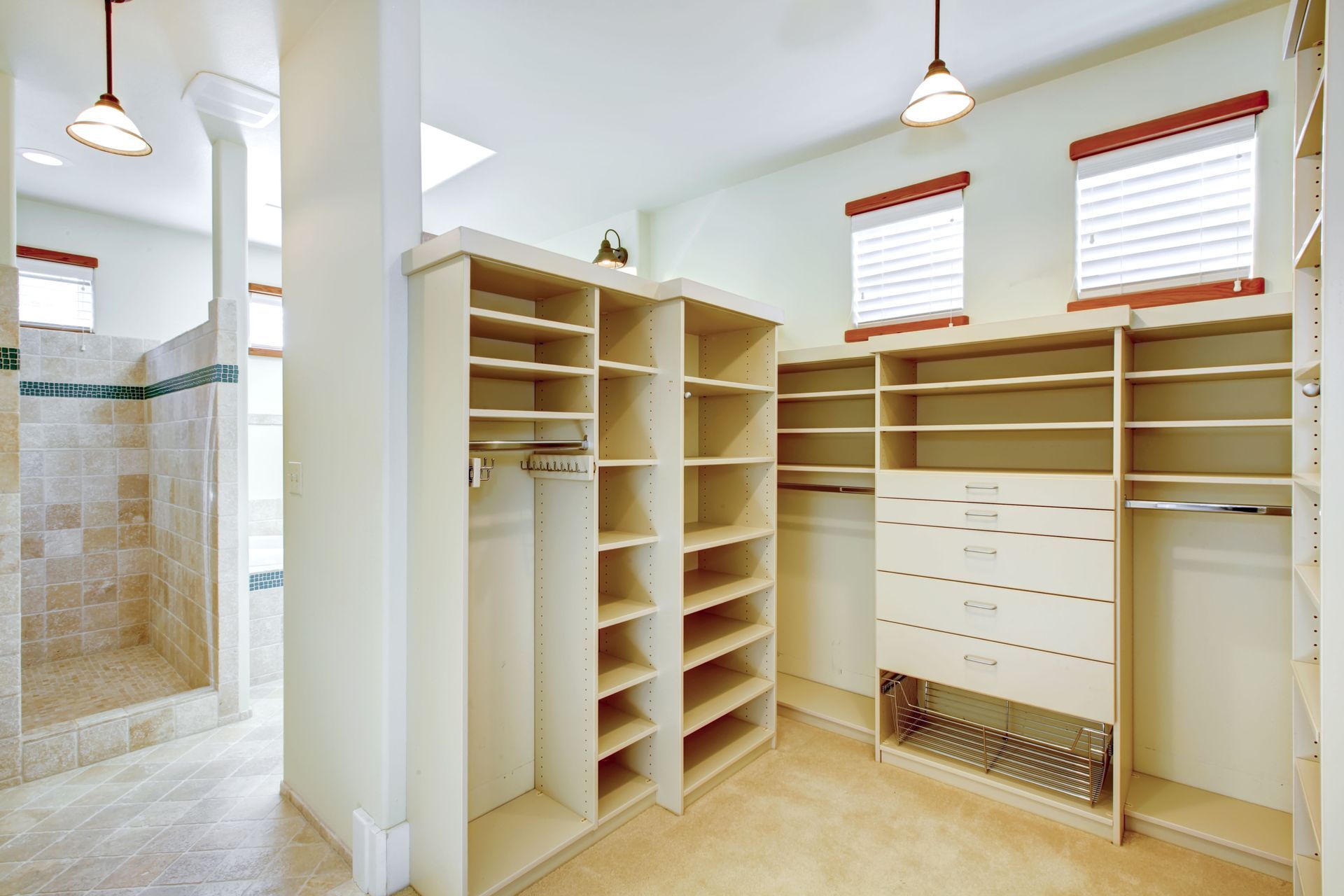
Evaluating the physical dimensions of your room dictates what features you can realistically incorporate. Document the ceiling height, wall width, and overall depth. Pay attention to architectural obstacles like windows, air vents, baseboards, and electrical outlets. These elements influence where you can install solid cabinetry versus open shelving. With high ceilings, you can utilize a three-tier hanging system or install pull-down rods to access garments stored near the ceiling. Every inch matters when converting a standard alcove into a functional zone.
For larger areas, island counters serve as an incredible focal point while providing extra utility. According to HomeAdvisor, most walk-in closets are at least 70 square feet in size. With this much room, introducing a central island offers a convenient surface for folding laundry or packing a suitcase. The island also houses additional drawers on all four sides, increasing your hidden storage capacity. If your room falls short of that square footage, a narrow peninsula can offer similar benefits without restricting your walking path.
Lighting plays a critical role in how expansive your space feels. Dark corners make a room feel cramped and obscure your clothing choices. Adding integrated LED strip lighting under shelves illuminates your wardrobe, making color selection effortless. Consider upgrading overhead ambient lighting to ensure the room receives adequate illumination. A bright, well-lit environment instantly makes the square footage feel larger and more welcoming. Proper spatial planning combined with strategic lighting ensures your custom closets feel like a luxurious extension of your bedroom suite.
Choosing Practical Organization and Storage Features
Selecting the right internal components elevates a basic layout into a tailored organizational hub. Drawers act as the workhorse of your storage strategy, concealing undergarments, workout clothes, and heavy knitwear. Soft-close mechanisms prevent slamming and extend the lifespan of your cabinetry. When configuring drawers, varying depths allow for more versatile storage. Shallow top drawers work well for delicate items, while deep bottom drawers hold bulky denim. Choosing the proper drawer configuration reduces visual clutter and protects garments from sunlight exposure.
Open shelving provides quick visual access to frequently worn items like T-shirts and jeans. To keep these areas looking neat, install shelf dividers that prevent stacks of clothing from toppling over. Dividers help maintain crisp lines and ensure different clothing categories remain separated. For those who own luxury handbags or structured hats, small compartments offer individual spaces that preserve the shape of your accessories. As your wardrobe evolves, your shelving should adapt without requiring structural renovations to your home.
Hardware adds the finishing touches that streamline your morning routine. A pull-out valet rod serves as a temporary staging area for assembling tomorrow's outfit or hanging garments fresh from the dry cleaner. Retractable tie racks and belt hooks slide discreetly out of the way when not in use. You might also include a built-in ironing board that folds down from the wall for quick touch-ups. Incorporating a designated laundry hamper system keeps dirty clothes out of sight.
Selecting Finishes That Match Your Home
Your storage spaces should reflect the overarching architectural style of your house. Choosing the right materials and finishes creates a cohesive transition from the bedroom into the dressing area. Traditional homes often look stunning with raised-panel cabinet doors, crown molding, and rich wood tones like walnut or cherry. These classic elements bring warmth to the room. Conversely, modern interiors benefit from flat-panel doors, sleek metallic finishes, and high-gloss acrylic surfaces. Aligning your cabinetry style with your interior design ensures the renovation feels natural.
Color selection significantly impacts the mood of your dressing environment. Crisp white melamine remains a popular choice because it brightens the room and provides a neutral backdrop that makes colorful clothing pop. If you prefer a moodier aesthetic, charcoal gray or navy blue finishes offer a striking contrast. Textured synthetic wood options introduce natural warmth and tactile interest without the maintenance requirements of solid hardwood. When designing custom closets, the color palette should coordinate with your bedroom furniture to create a unified visual experience.
Hardware finishes act as the jewelry of your cabinetry, tying the entire look together. Drawer pulls, knobs, and hanging rods come in various tones, including matte black, brushed nickel, polished chrome, and satin brass. If your primary bathroom features brushed nickel fixtures, carrying that same finish into your storage space promotes design continuity. You can mix metals for an eclectic appearance. Upgrading to sturdy, aesthetically pleasing hardware elevates the perceived value of the installation and ensures smooth operation.
A beautifully executed storage area does more than hold clothing. It fundamentally changes how you start your day. By taking a thoughtful approach to your wardrobe inventory, you eliminate the frustration of digging through crowded racks. Proper spatial planning ensures you maximize every available square foot, while strategic hardware selection adds convenience to your routine. Incorporating finishes that complement your house makes the finished project feel like a seamless extension of your primary suite.
Investing time into the planning phase guarantees a result that matches your daily habits. When you focus on personalized functionality, your storage solutions will effortlessly adapt to your changing lifestyle. Thoughtfully designed custom closets offer long-lasting value, keeping your garments organized and protected while elevating the overall aesthetic of your bedroom suite. A well-planned space transforms a simple storage requirement into an efficient, visually stunning environment that you'll enjoy using every day.
At Behind Clothes Doors, our team excels at crafting custom closets tailored to the unique needs of our clients. Call today to schedule a consultation.